How to Furnish a Small Space Without Losing Style

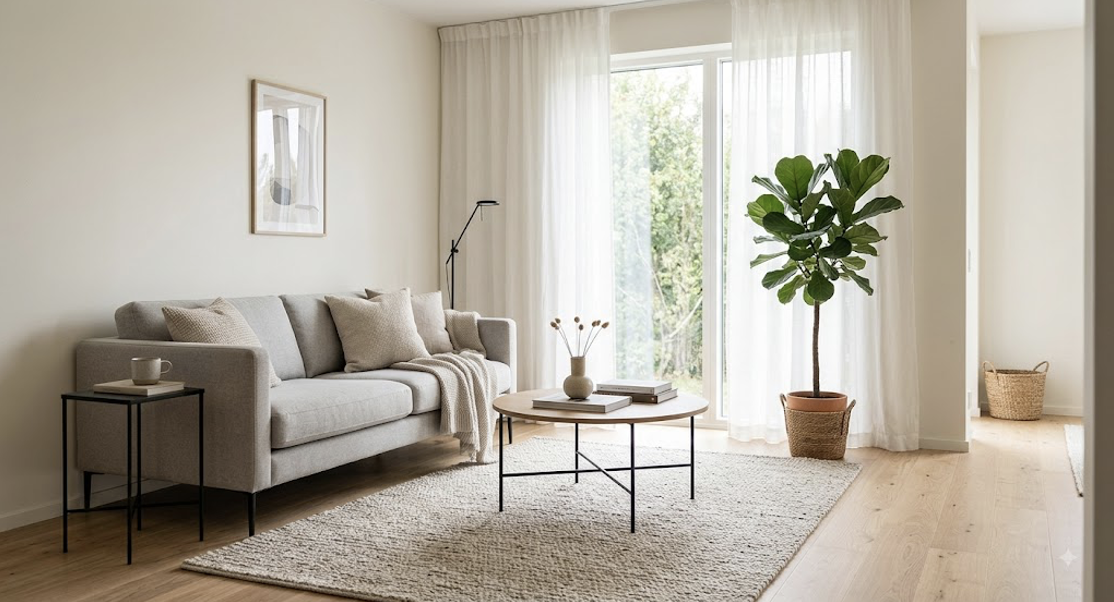
Furnishing a small space without sacrificing style comes down to choosing multi-purpose pieces, keeping scale in proportion to the room, and using light colors and smart layout to create the feeling of more space. You do not need to give up comfort or personality just because your square footage is limited.
Small apartments, condos, and cozy bedrooms come with a very real challenge. You want a home that feels warm and put together, but every piece of furniture takes up space you do not have much of. It is easy to end up with a room that feels cramped, or one that feels so sparse it has no personality at all.
We work with families furnishing homes of every size, and small spaces come up constantly. This guide walks through exactly how to make a small room feel bigger, more comfortable, and more like you, without cramming it full of furniture that fights for space.
Why Do Small Rooms Feel Cluttered So Quickly?
Small rooms feel cluttered fast because furniture that is even slightly too large throws off the visual balance of the entire space. A sofa that would look perfectly normal in a large living room can dominate a small one, making the whole room feel tighter than it actually is.
The issue usually is not that people own too much furniture. It is that the furniture is the wrong scale for the room. A bulky sectional, an oversized coffee table, or a headboard that is too tall for a low ceiling can all make an otherwise reasonably sized room feel packed.
Another common culprit is furniture placement. Pushing every piece against the walls seems logical, but it often leaves an awkward dead zone in the middle of the room that makes the space feel less functional, not more open. Floating a piece of furniture, even a small one, can sometimes do more for the room’s flow than lining everything up around the edges.
What Size Furniture Actually Works in a Small Room?
The best rule of thumb is to choose furniture with slimmer profiles, exposed legs, and proportions that match the room rather than simply buying the smallest version of everything. A loveseat with tall, skinny arms can look just as cramped as a full sofa if the rest of its proportions are wrong for the space.
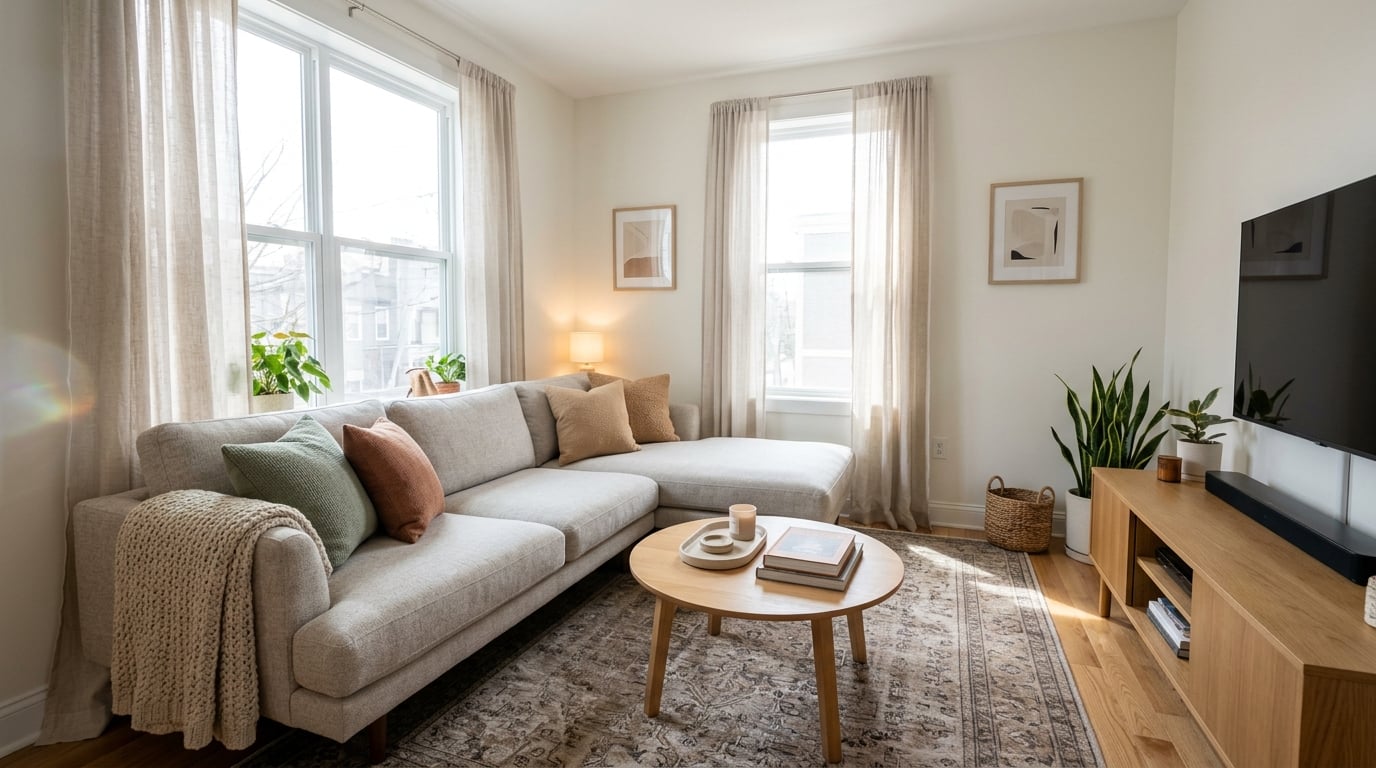
Exposed furniture legs are one of the most underrated tricks in small space design. When you can see the floor underneath a sofa or chair, your eye reads the room as more open, even if the furniture footprint itself is not much smaller. Furniture with a solid base that sits flush to the floor tends to visually block off more of the room, even at the same width.
Depth matters just as much as width. A sofa that is 34 inches deep will feel completely different in a small living room than one that is 38 inches deep, even though that four inch difference sounds minor. When you are shopping, measure your actual space and bring that measurement with you, rather than relying on how a piece looks on a showroom floor with plenty of open space around it.
Furniture Dimensions Worth Double Checking
- Sofa depth: Look for 32 to 34 inches in tighter living rooms instead of the standard 36 to 40 inches
- Coffee table height: Stay close to the height of your sofa cushions, usually 16 to 18 inches
- Dining chair width: Armless chairs save several inches per seat compared to chairs with arms
- Bed frame footprint: A platform bed without a bulky frame can free up visual space around a small bedroom
Small differences in these numbers add up to a noticeably different feeling room.
How Can Multi-Functional Furniture Help in Tight Spaces?
Multi-functional furniture solves the small space problem by letting one piece do the work of two or three, which reduces the total amount of furniture you need without reducing what the room can actually do. This is one of the most practical strategies available to anyone furnishing a small home.

An ottoman with hidden storage inside can serve as a coffee table, extra seating, and a place to stash blankets or remotes. A daybed can function as both a sofa for daytime lounging and a bed for overnight guests. Nesting tables take up the footprint of a single table when not in use, then pull apart when you actually need the extra surface.
This approach works especially well in studio apartments and small condos where a single room might need to handle sleeping, working, and relaxing all at once. Instead of squeezing in separate furniture for each function, one flexible piece can quietly cover more than one job.
Does Furniture Color Really Affect How Big a Room Feels?
Lighter colored furniture tends to make a small room feel more open, since light tones reflect more light and create less visual weight than dark, heavy colored pieces. This does not mean every small space needs to be furnished entirely in white or beige, but color is a genuinely useful tool for managing how a room feels.
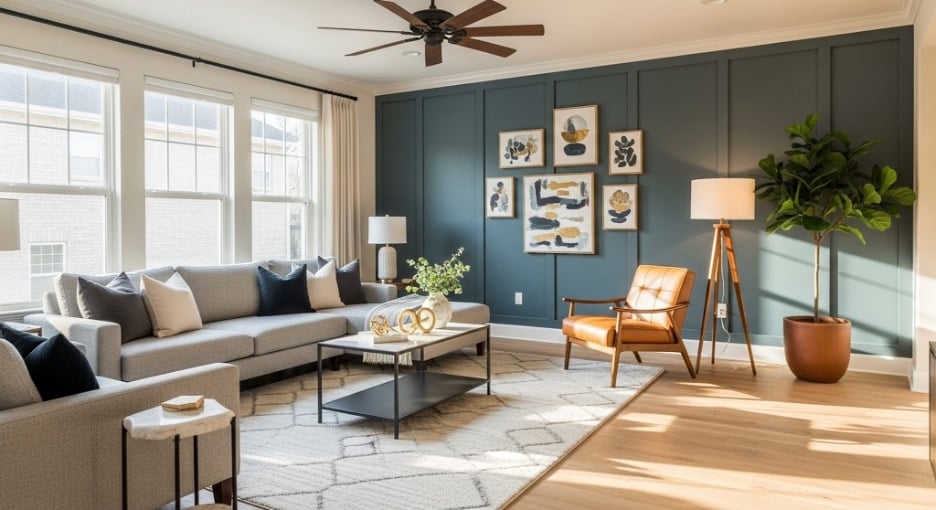
A dark navy or charcoal sofa can still work beautifully in a small room, especially if the walls and floor are lighter, creating contrast instead of an all over heavy feeling. The problem usually happens when every element in the room, walls, floor, and furniture, are all dark and dense at once, which can make even a mid sized room feel small.
Color continuity between furniture and walls also plays a role. When a piece of furniture is close in tone to the wall behind it, the eye tends to blend them together, which can actually make the room read as larger. A stark contrast, like a bright white sofa against a dark wall, draws more attention to the furniture’s shape and size, which sometimes has the opposite effect from what people expect.
What Layout Mistakes Make Small Rooms Feel Smaller?
The most common layout mistake in small rooms is pushing every single piece of furniture against the walls, which often creates an awkward, unusable void in the center of the room. Good furniture arrangement is about creating comfortable pathways and conversation areas, not just maximizing open floor space for its own sake.
Floating a sofa a few inches away from the wall, rather than pressing it flush against it, can actually make a room feel more intentional and larger, especially when paired with a rug that anchors the seating area. This creates a defined zone rather than a room that feels like storage along the perimeter.
Traffic flow deserves just as much attention as furniture placement. If someone has to awkwardly squeeze between a coffee table and a sofa to get across the room, the space will always feel tight no matter how nice the furniture is. Leaving at least 30 inches of walking space in main pathways makes a noticeable difference in how functional and comfortable a small room feels day to day.
Quick Layout Checklist
- Leave clear pathways of at least 30 inches wherever possible
- Avoid pushing every piece flush against the walls
- Use a rug to visually anchor a seating area, even a small one
- Angle furniture slightly when it helps traffic flow, rather than forcing everything square to the walls
Small adjustments like these often matter more than buying new furniture altogether.
How Should You Choose Furniture for a Small Bedroom?
A small bedroom benefits most from a bed with under storage, a slim nightstand on each side, and a dresser that uses vertical space instead of wide horizontal space. Bedrooms often get overlooked in small space planning, but they carry some of the biggest opportunities for smart furniture choices.
Under bed storage is one of the easiest wins in a small bedroom. A bed frame with built in drawers, or simply enough clearance underneath for storage bins, can replace an entire dresser drawer’s worth of space without adding a single extra piece of furniture to the room.
Nightstands do not need to match in size just because they match in style. If one side of the bed is closer to a wall or door, a narrower nightstand on that side can free up several inches of walking space without anyone noticing the size difference from a design standpoint.
Tall, narrow dressers make far more sense than wide, low ones in small bedrooms. The floor footprint matters more than the overall furniture size in a bedroom, since a taller piece uses vertical space that would otherwise go unused, while a wide dresser eats into the room’s usable floor area.
Can You Still Have a Cozy, Personal Style in a Small Space?
A small space can absolutely reflect your personal style, since scale and function are about layout choices, not about eliminating personality from the room. Color, texture, and personal touches are what make a home feel like yours, and none of those require extra square footage.
Layering textures like a knit throw, patterned pillows, or a textured rug adds warmth and character without adding bulky furniture. This is often where people hold back the most when furnishing a small space, worrying that anything extra will make the room feel cluttered, when in reality, thoughtfully chosen textiles add coziness without taking up floor space at all.
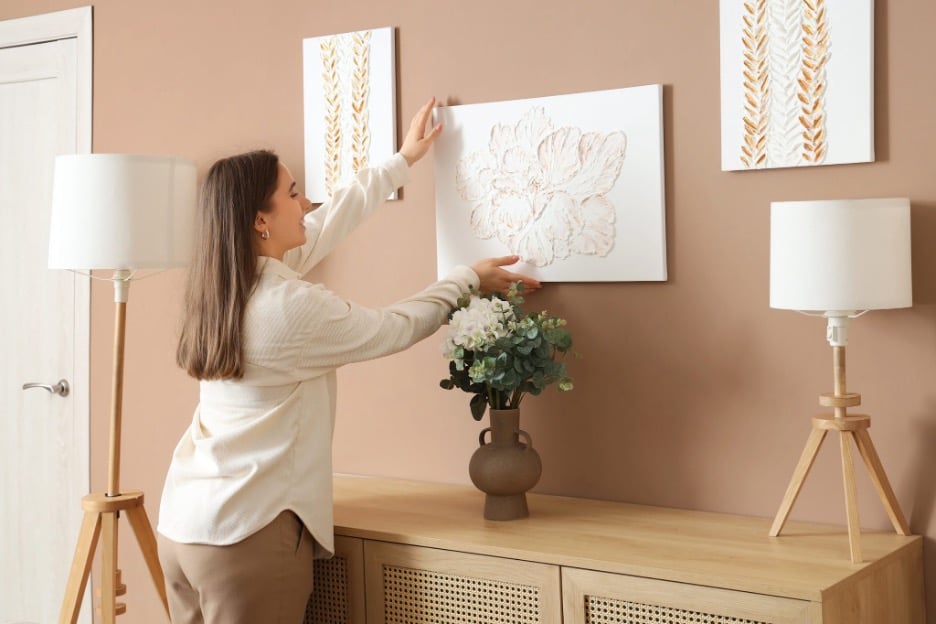
Wall space is one of the most underused design tools in small rooms. Shelving, artwork, and mirrors add personality and even functional storage without touching the floor plan at all. A well placed mirror in particular can make a small living room or bedroom feel noticeably larger by reflecting light and visually doubling the sense of depth in the room.
Common Mistakes to Avoid When Furnishing a Small Space
Even well intentioned small space furnishing plans can go wrong in a few predictable ways.
- Buying furniture before measuring the room. A piece that looks compact in a showroom can feel completely different once it is actually in your space.
- Choosing everything in the same size and shape. A room full of matching, boxy furniture often feels more crowded than a room with varied shapes and heights.
- Skipping storage planning. Small spaces need more storage per square foot, not less, so overlooking this early usually means clutter creeps in later.
- Assuming smaller always means better. Sometimes one well proportioned piece works better than two smaller pieces crammed into the same footprint.
- Ignoring how a room will actually be used. A space that looks great in photos but does not support how you actually live in it will start to feel frustrating fast.
Avoiding these missteps early on saves a lot of rearranging and regret later.
Frequently Asked Questions
What is the best furniture layout for a small living room?
The best layout keeps furniture slightly away from the walls to create a defined seating area, while leaving at least 30 inches of clear walking space in main pathways. Anchoring the space with a rug helps the room feel intentional rather than cramped.
Does furniture with legs really make a room look bigger?
Yes, furniture with exposed legs allows the eye to see more of the floor, which creates a more open feeling even when the furniture footprint is similar in size. This is one of the simplest visual tricks for making a small room feel less crowded.
What is the best bed size for a small bedroom?
A full or queen bed usually works best in small bedrooms when paired with slim nightstands and a bed frame that offers under bed storage. A king bed can often overwhelm a small room, even if it technically fits within the floor plan.
Should small rooms only use light colored furniture?
Small rooms do not need to be entirely light colored, but lighter tones generally help a space feel more open. Darker furniture can still work well when paired with lighter walls and flooring to create contrast without adding visual weight throughout the whole room.
How much furniture is too much for a small apartment?
There is no exact number, but if walking through a room feels difficult or cluttered, it is usually a sign there is too much furniture for the space. Focus on multi-functional pieces so each item earns its place rather than filling the room just to fill it.
Making Your Small Space Feel Like Home
Furnishing a small space well is less about finding tiny furniture and more about choosing pieces that are the right proportion, serve more than one purpose, and support how you actually move through your home. Multi-functional furniture, lighter colors, smart layout choices, and a little creativity with vertical space can turn even the smallest apartment or bedroom into a room that feels open, comfortable, and unmistakably yours.
We know that furnishing a small space comes with its own unique set of challenges, and we love helping families figure out what actually works for their home, no matter the square footage. Whether you are setting up your first apartment or making the most of a cozy bedroom, we are here to help you find pieces that fit your space and your life, without sacrificing the comfort or style you deserve.